

Bio: Nitheesh is the founder of MentorCrux, an India-based mentorship platform for core engineers. His mission is to create a space where expert knowledge is accessible to all, providing the tools and insights necessary for professional growth in the core engineering sector.
Clean energy isn’t “the future” anymore — it’s the present. Solar parks are expanding faster than cities, wind turbines are becoming taller than skyscrapers, and global investments in renewables are outpacing fossil fuels for the first time in history. From India’s massive renewable push to global commitments by the world’s biggest economies, the energy transition is now a defining transformation of this decade.
Here’s a clear, engineer-friendly breakdown of what is happening in clean energy — in India and worldwide — backed by authoritative sources and data.
Global Clean Energy: A Record-Breaking Surge
The world is experiencing its biggest-ever shift toward clean energy.
According to the International Energy Agency (IEA), global energy investment is set to reach USD 3.3 trillion in 2025, with most of it flowing into renewables, grids, and storage.
At the same time, the International Renewable Energy Agency (IRENA) reports that global renewable energy capacity additions have hit all-time highs, with solar becoming the cheapest power source in many regions.
Recent global analyses also show a major milestone: solar and wind generation have overtaken coal in several regions, signalling a permanent shift toward cleaner grids.
The World Bank also highlights clean energy as a major economic-growth driver, especially in developing countries with rising electricity demand.
Why this matters
This transition isn’t just about climate. It’s creating new industries in manufacturing, grid modernization, battery engineering, renewable construction, and power electronics — all deeply dependent on core engineering skills.
India’s Clean Energy Transformation
India is one of the world’s fastest-growing clean-energy markets.
The Ministry of New and Renewable Energy (MNRE) has set the ambitious target of 500 GW of non-fossil capacity by 2030, accounting for almost half of India’s installed power capacity.
Key developments in India
1. Solar Energy Growth
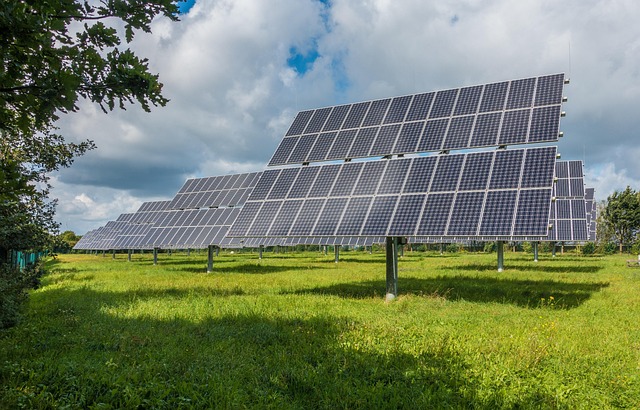
India is now among the top solar markets globally, expanding utility-scale and rooftop solar rapidly. Roles in system design, EPC, and O&M are rising sharply.
2. Wind Energy Expansion
New onshore wind auctions and the beginning of offshore wind pilots mark major growth opportunities for mechanical, electrical, and civil engineers.
3. Battery Storage Push
With renewable penetration growing fast, India is investing in Battery Energy Storage Systems (BESS), improving grid stability and opening new energy-storage engineering roles.
4. Green Hydrogen Mission
India launched the National Green Hydrogen Mission, one of the biggest hydrogen initiatives globally, aimed at making India a hydrogen manufacturing and export hub.
5. Domestic Manufacturing – Solar, Batteries, Power Electronics
Under Production-Linked Incentive (PLI) schemes, India is building large-scale domestic factories for solar modules, EV batteries, and inverters — reducing dependence on imports and expanding engineering jobs.
India vs. the World: What’s the Difference?
1. Scale
- World: Large-scale investment from the US, EU, and China.
- India: Fast expansion from a developing-economy base, creating rapid employment growth.
2. Focus Areas
- World: Offshore wind, EV battery gigafactories, hydrogen corridors.
- India: Solar, onshore wind, manufacturing, and infrastructure-heavy projects.
3. Job Landscape
- Global: Mature job markets with high specialization.
- India: Explosive job creation in design, EPC, grid engineering, and manufacturing.
Conclusion: The Clean Energy Wave Is Here — Don’t Sit Out
Whether you look at India or the world, the message is clear: clean energy is rising fast, and core engineering is at the center of this transformation. Mechanical, electrical, civil, electronics, and chemical engineers are seeing more opportunities now than in the last decade.
For a deeper, data-driven breakdown of how global trends prove that core engineering careers are rising, read this:
5 Global Reports That Show Core Engineering Jobs Are Set to Rise
Clean energy isn’t just the future — it’s your next big career opportunity.
If you’re a core engineer or an early professional, this clean-energy shift is the biggest opportunity of your career. Don’t wait for the market to change — upskill now, explore real industry paths, and build your future where the demand is rising fastest. If you need clarity or guidance, getting a core engineering mentor can make the journey much easier and faster.
Leave a Reply