

Bio: Nitheesh is the founder of MentorCrux, an India-based mentorship platform for core engineers. His mission is to create a space where expert knowledge is accessible to all, providing the tools and insights necessary for professional growth in the core engineering sector.
Many engineering students still believe that high-paying jobs exist only in software or IT. But companies in manufacturing, automation, energy, EV, oil and gas, FMCG, infrastructure and industrial plants are looking for something very different.
They want engineers who understand VFDs (Variable Frequency Drives), PLCs (Programmable Logic Controllers) and SCADA (Supervisory Control and Data Acquisition).
These three skills form the backbone of industrial automation, and by 2026, demand for automation engineers in India and globally will be higher than ever. As factories modernize, production becomes more digital, and industries adopt Industry 4.0, companies need engineers who can work with real machines, sensors and control systems— not just theory.
This blog gives you a clear and simple guide to why VFDs, PLCs and SCADA matter, and why students should learn them early.
Why Automation Skills Are Rising in 2026
Across the world, industries are shifting from manual operations to automated, data-driven systems.
This shift is driven by three big changes:
1. India’s rapid manufacturing growth
India is expanding in EV manufacturing, electronics, chemicals, food processing, cement, steel and heavy industries. All these plants run on automation systems.
2. Shortage of skilled automation engineers
Companies report a shortage of engineers who understand drives, PLC logic, instrumentation and real-time systems. Students mostly learn theory but not the tools used in industry.
3. Rise of Industry 4.0
Companies are connecting machines to sensors, data platforms and cloud dashboards. People who understand automation are essential to this transformation.
This is why VFDs, PLCs and SCADA have become core engineering skills for Electrical, EEE, ECE, Mechanical, Mechatronics and Instrumentation engineers.
What Are VFDs and Why Are They Important?
A VFD (Variable Frequency Drive) controls the speed of motors by varying voltage and frequency. Motors run pumps, conveyors, compressors, blowers, fans and almost every moving system in a plant.
VFDs help with:
• Energy savings
• Smooth motor startup
• Control of speed, torque and direction
• Protection against overloads
• Extending motor life
Industries like HVAC, water treatment, oil & gas, manufacturing, power plants and EV factories rely heavily on VFDs.
Students who understand:
• how a VFD works
• how to configure basic parameters
• how to connect sensors and motors
• how to interpret drive faults
…are immediately more employable.
Knowing Schneider, Siemens, ABB or Delta drives is a major advantage during placements.
Why PLCs Are the Heart of Automation
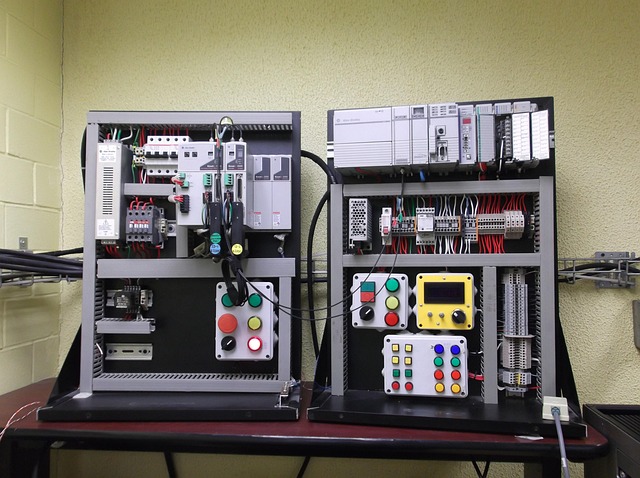
A PLC (Programmable Logic Controller) is the brain of the industrial process.
It reads inputs (sensors, switches, temperature, pressure), makes decisions and controls outputs (motors, valves, relays, pumps).
PLCs control almost everything inside a plant:
• Assembly lines
• Packaging machines
• Conveyor belts
• Filling lines
• Robotic systems
• Manufacturing processes
Learning PLCs early helps students build real engineering logic.
Companies expect freshers to know at least:
• Ladder Logic
• Basic PLC wiring
• Timers and counters
• Analog inputs and outputs
• Interlocks and safety logic
• Communication protocols
Siemens PLC and Allen-Bradley PLC are the most commonly used globally, followed by Schneider and Mitsubishi.
Students with PLC programming skills have one of the strongest chances of entering automation roles in 2026.
SCADA — The Dashboard of Modern Plants
SCADA enables operators to monitor and control the entire plant from a central screen.
It visualizes:
• live machine data
• alarms
• system trends
• production reports
• energy usage
SCADA engineers work closely with PLC engineers because SCADA communicates with every PLC, drive and sensor in the plant.
Industries prefer engineers who know:
• basic SCADA screen development
• trends, alarms and data logging
• HMI (Human Machine Interface) basics
• industrial communication (Modbus, Profibus, Ethernet/IP)
Learning SCADA makes you a complete automation engineer rather than just a programmer.
Why Students Should Learn These Skills Early
1. Automation jobs pay more
Automation engineers often start at higher salaries than many standard core engineering roles because the skill is specialized and in demand.
2. Internships become easier
Most automation companies prefer candidates who already know basic PLC programming or VFD configuration.
3. Strong foundation for EV, robotics and energy
EV factories, battery plants, robotics companies and solar plants use the same tools—drives, controllers and automation systems.
4. Real projects become meaningful
Students can build mini projects like conveyors, motor control panels or temperature control systems—excellent for resumes.
5. You stand out in placements
Companies immediately shortlist candidates with PLC-VFD-SCADA experience because very few students learn it in college.
How Students Can Start Learning
• Begin with Ladder Logic basics in any simulator
• Learn one PLC platform (Siemens or Allen-Bradley)
• Study VFD wiring and common parameters
• Practice simple automation projects
• Explore SCADA/HMI screens in free or trial software
• Watch live industrial case studies
• Take guidance from industry engineers
You do not need expensive labs. You only need the right roadmap.
Final Thoughts
VFDs, PLCs and SCADA are no longer optional.
They are essential automation skills that companies want in 2026 and beyond.
Whether you study Electrical, EEE, ECE, Mechanical, Instrumentation or Mechatronics, learning these tools early will give you a huge advantage.
If you want clarity on how to learn these skills step-by-step, explore mentors and join the engineering community at MentorCrux, where industry engineers guide you with real projects and real career direction.
Leave a Reply